Wellness on the Move: Healthy Living Habits in the UK with Smarter Connectivity
A practical breakfast system for fiber, protein, hydration, and calmer mornings without complicated cooking.

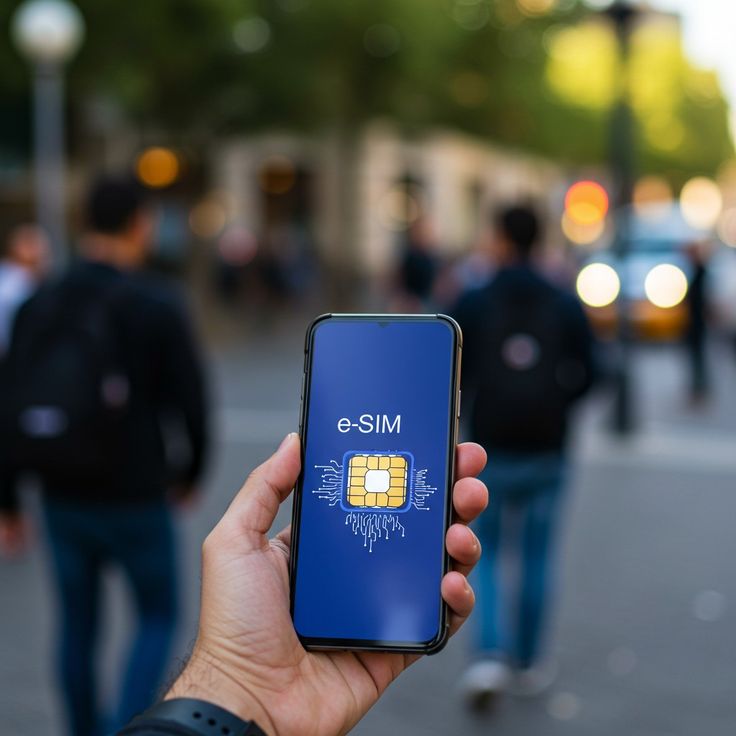
Staying well while moving around the UK is less about perfection and more about consistency: a simple breakfast routine, steady hydration, gentle fitness habits, and a mindful evening routine that helps you reset. When your day includes trains, long walks, and new neighborhoods, reliable mobile access can quietly support your healthy living plan—especially if you’re using Best eSIM for UK as part of a smoother travel setup for maps, grocery lists, and wellness tracking.
At divinitymagazine.com, the approach to healthy living is practical: balanced meals you can repeat, low-impact cardio you can actually enjoy, and sleep hygiene that doesn’t require a total lifestyle overhaul. The same principle applies to travel logistics—reduce friction so your energy stays for what matters: nourishing food, movement, rest, and calm.
Build a “portable” healthy breakfast routine
A steady morning meal is one of the easiest ways to keep your mood and appetite balanced while exploring. Instead of chasing the “perfect” option, aim for a repeatable template that works whether you’re in a hotel, a rental flat, or grabbing food near a station. A healthy living magazine mindset focuses on simple structure: protein + fiber + color + hydration.
- Protein: Greek yogurt, eggs, cottage cheese, tofu, or a protein drink.
- Fiber: oats, whole-grain toast, berries, apples, or chia.
- Color: spinach, tomatoes, peppers, or a mixed fruit cup.
- Hydration: water first, then tea or coffee.
If you’re navigating unfamiliar supermarkets, having quick access to notes and meal ideas can help you keep balanced meals without overthinking. A small saved list—“oats, fruit, yogurt, nuts, leafy greens”—supports meal prep even in short stays.
Mindful snacking that supports long walking days
UK city breaks often mean a lot of steps. A walking fitness plan is easier to sustain when you avoid the crash that comes from skipping meals and then overeating later. Mindful snacking is not “eating less”; it’s eating with intention so your energy stays steady.
Try a two-question check-in before you snack: Am I hungry or just overstimulated? and What would feel grounding right now? If you’re truly hungry, choose a snack with protein or healthy fats; if you’re overstimulated, a short stress reset plan (breath + water + a brief walk) can be surprisingly effective.

Hydration and electrolytes: the underrated travel routine
Between flights, heated indoor spaces, and long outdoor walks, dehydration can masquerade as fatigue or cravings. A simple hydration and electrolytes strategy keeps you steady without turning your day into a science project. If you’re sweating more than usual or walking for hours, consider adding electrolytes once daily—especially if you’re also drinking more coffee than normal.
| Situation | What you may notice | Simple fix |
|---|---|---|
| Long walking day | Headache, low energy, cravings | Water + electrolyte packet; salty snack with fruit |
| Lots of tea/coffee | Dry mouth, jittery energy | Alternate: coffee then water; add balanced meals |
| Late night or poor sleep | Morning grogginess | Water first thing; protein-forward breakfast |
| Cold weather | You forget to drink | Warm herbal tea + a bottle you can refill |
Hydration becomes easier when you can quickly locate refill points, track your steps, or set reminders. The goal isn’t constant monitoring—it’s gentle support that keeps your body’s basics covered.
Gentle fitness habits: low impact cardio that fits UK travel
You don’t need intense workouts to feel strong and clear-headed. Low impact cardio—walking, incline strolls, easy cycling, or a short hotel-room circuit—pairs well with sightseeing. A gentle fitness habit is one you’ll do even when the weather changes or your schedule shifts.
Use a simple “minimum viable movement” rule: 10–20 minutes counts. That might be a brisk walk to a museum, a calm mobility flow, or a short stair session followed by active recovery. When you treat movement as a mood tool rather than a punishment, it’s easier to stay consistent.

A quick walking fitness plan you can repeat
- Day 1: 30–45 minutes easy walk + 5 minutes stretching (calves/hips).
- Day 2: 20 minutes brisk walk intervals (1 minute faster, 2 minutes easy).
- Day 3: Active recovery: gentle yoga or mobility + relaxed stroll.
- Day 4: Longer walk with breaks; focus on posture and breathing.
This kind of plan blends naturally with UK travel: parks, riverside paths, and walkable neighborhoods make movement feel like part of the experience rather than another task.
Sleep hygiene and a mindful evening routine
Sleep is often the first thing to wobble on the road. New beds, late dinners, and bright screens can disrupt your rhythm. A sleep hygiene approach from a healthy living magazine perspective keeps it realistic: reduce stimulation, keep your body warm, and create a short wind-down that signals safety.
Try a 20-minute mindful evening routine:
- 5 minutes: tidy your space and set clothes for tomorrow (less morning stress).
- 5 minutes: shower or wash face; dim lights.
- 5 minutes: legs-up-the-wall or gentle stretching for active recovery.
- 5 minutes: journaling with intention setting rituals: “What matters tomorrow?”
If your mind races, a stress reset plan can be as simple as slow breathing (inhale 4, exhale 6) and a brief note of what you can handle later. The goal is not to “win” sleep—it’s to remove obstacles.

Natural remedies and small comfort rituals
When travel brings minor discomfort—throat dryness, digestion changes, or extra stress—gentle natural remedies can help you feel supported. A ginger tea routine is a classic: warm, soothing, and easy to find in most UK shops. Pair it with a calm moment rather than drinking it while rushing; the ritual matters.
Some travelers also enjoy energy healing rituals as a form of mindfulness: a hand-on-heart pause, a short body scan, or a quiet moment to reset your intention before stepping into a busy station. Whether or not you think in “energy” terms, these practices can lower perceived stress and help you make better choices around food and rest.
How connectivity quietly supports wellness consistency
Wellness travel isn’t only about what you eat or how you move; it’s also about keeping your day organized so you don’t default to chaos. Reliable mobile access can support nutrition tips (finding simple ingredients), balanced meals (saving a short shopping list), and sleep routines (setting a wind-down alarm). It can also help you choose walking routes, track your hydration reminders, and avoid the stress spiral of getting lost when you’re tired.
Think of connectivity as part of your self-care infrastructure: not the focus, but a tool that helps you follow through on the basics. When those basics are steady—food, water, movement, rest—your UK trip feels better in your body, not just in your photos.